60 Music venue Instagram post ideas with examples that sell tickets

It is 6:42 pm on a Friday. A regular fan is on the bus, half-listening to a friend, scrolling through Instagram. Doors at your venue open in 80 minutes. She has been meaning to grab a ticket all week and forgot. The post that decides whether she peels off the bus and walks to your venue tonight is not a polished flyer. It is a 12-second Reel of your sound engineer running a quick mic check, the lighting board flickering blue, and a caption that just says "doors in an hour."
That moment is the entire job of a music venue Instagram account. Your Instagram is not a poster wall. It is a real-time hype machine, a logistics helpdesk, and a fan-community living room rolled into one. Most venues use it like a static event listing, drop a flyer the day before, and wonder why ticket sales hover at 60 percent of capacity on slow nights. The venues filling rooms in 2026 are using Instagram differently, and most of the difference is just structure.
This article walks through 60 music venue Instagram post ideas with examples that are tuned to how this niche actually works. You will see how to use Reels for cold reach (sold-out energy attracts new locals), how carousels do the heavy lifting on logistics that quietly kill ticket conversions, and how Stories carry pre-show, in-show, and post-show momentum across one weekend. If you want to see how venues at your size are actually running this in real time, search "live music venue" or "concert hall" in Socialmon to pull up posts that are driving ticket sales right now and see which formats are still working in your city.
Before the master list, three things shape every idea below: how ticket buyers behave on Instagram, what kills a booking even when the band is great, and the seasonal flow of live music as a business.
Why music venue Instagram needs its own playbook
Music venues sell two products at the same time. The first is the show, which is a one-night ticket. The second is the venue itself, which is a long-running fan relationship. Most accounts only post about the first one. The venues that grow into reliable, full-room rooms post for both.
The fan-relationship side is what makes music venue Instagram so different from a restaurant or a hotel. A diner picks one place this Friday. A music fan picks four shows over the next two months. The job of your account is to be the place she keeps thinking about, not just the place that has Tuesday's show.
The other thing that pulls music venues away from the generic event-business playbook is logistics. Live music has more pre-show questions per ticket sold than almost any other entertainment category. Doors time, age policy, parking, re-entry, bag rules, and seating type can all stop a sale at the moment of decision. Posts that answer these questions before they get DM'd are not customer service work. They are conversion work.
Adjacent niches like event venues and DJs share parts of this playbook, but live music venues have a third dimension that is harder to fake: scene credibility. Your audience is judging whether your venue is the right room for a band they care about. Polished marketing reads as out of touch. Raw, in-the-room content reads as legit.
The full list of 60 music venue post ideas grouped by what they do
Turn doors-tonight FOMO into ticket sales
- Day-of show countdown Reel with sound check audio
- "Doors at 7" Story poll asking who is coming
- Sound check footage from the headliner
- Backstage clip of the artist loading in
- Last-call ticket Story with current capacity
- Pre-show empty-stage shot with caption "we open the doors in 60"
- Crowd line forming outside the venue
- "Tonight only" hype Reel cut from past show energy
- Artist's live mic check (with permission)
- Encore tease Reel posted at intermission
Answer the questions that kill ticket conversions
- Where-to-park carousel with map and rates
- "What time do doors actually open" Reel (vs the printed time)
- Bag policy and security walkthrough
- Age policy and ID requirements explainer
- Coat check and merch table FAQ
- Closest food spots within 5 minutes
- Ride-share pickup zone after the show
- Re-entry rules between sets
- ADA access, seating, and accommodations
- Standing-only or seated breakdown by show type
Make the room feel like the right scene
- Empty venue beauty shot at golden hour
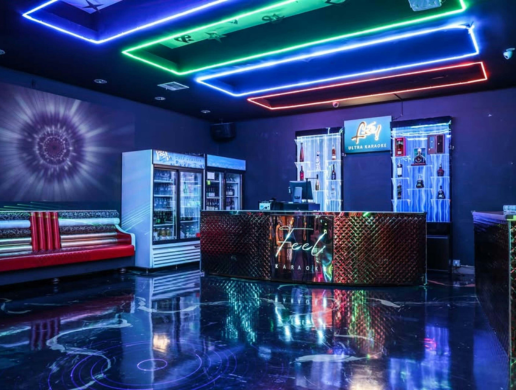
- Lighting test Reel (the room transforming)
- Stage setup time-lapse from doors open
- Floor POV Reel during the best moment of last show
- Slow-pan crowd shot mid-set
- Before-and-after empty venue to packed venue Reel
- Crowd singalong moment (with permission)
- Light show synchronized to a song drop
- Late-night vibe shot post-show
- Sound system close-up reveal
Build a regulars culture that fills shows on slow nights
- Regular fan spotlight (with permission)
- "Tag the friend you saw [band] with" prompt
- Crew and staff intro Reel
- Bartender's pre-show playlist Story
- "Best moment from this weekend" recap carousel
- Ask the audience: best show you have ever seen here
- Birthday shoutouts on stage Reel
- Repeat-customer perk announcement
- "Is tonight your first show here?" Story poll
- Scrapbook-style throwback to a legendary night
Show booked artists who they will be playing with
- Lineup announcement carousel for the next month
- "How we book artists" behind-the-scenes Reel
- Local opener spotlight with their music linked
- Soundcheck mini-interview with the touring band
- Headliner thanks the crowd Reel
- Before-and-after the green room transformation
- Tour t-shirt unboxing
- "This artist played here when nobody knew them" throwback
- Artist meet-and-greet recap
- "We just confirmed [artist]" announcement Reel
Use one show to make six pieces of content
- Pre-show "tonight's lineup" carousel
- Soundcheck snippet Reel
- Doors-open crowd line shot
- Mid-show crowd Reel
- Encore moment Reel
- Post-show "what just happened" recap Reel
- Next-morning highlights montage
- Best fan caption of the night UGC repost
- Setlist screenshot Story
- Tag-thank-you to the artist Reel
That covers the full library. The expanded sections below break down how to actually execute each category, what most venues get wrong, and the timing rules that make these posts convert instead of just collect likes.
Turn doors-tonight FOMO into ticket sales
Sold-out shows feel inevitable from the outside, but inside the venue they are usually built in the last 18 hours before doors. Day-of urgency is where Instagram earns its keep. The fan who has been "meaning to" buy a ticket all week is one well-timed post away from peeling off the bus and walking through your front door.
The mistake most venues make is putting all their marketing weight on the announce. The lineup goes up, tickets go on sale, then the account goes quiet for two weeks until the day-of. Quiet is what kills conversion. The fan needs to see your venue every two or three days in the run-up, then aggressively in the final 24 hours. Each touch reduces friction by one click.
The psychology behind FOMO content for music venues is concrete. Live music is a perishable inventory. Once the show starts, the seat is gone. Fans treat ticket buying like a small bet against future regret, and any signal that the room is filling up tilts that bet. Sold-out posts work, "low remaining" Stories work, and pre-show hype Reels work because they all turn an abstract decision into a "do not miss this" moment.
A specific way to caption a same-day Reel: "Doors at 7. Sound check just wrapped. Tickets at the link, walk-up still open until 6:45." Practical, specific, no fluff. The fan does not need persuasion at 5 pm on Friday. She needs a reason and a path.
The execution mistake to avoid is making every post about FOMO. Day-of urgency works because it is rare. Five "last chance" posts in a week train the audience to ignore them. Use the urgency push for the actual day, and let the rest of the week build atmosphere instead.
Timing matters most in this category. The 24-hour pre-show window is when scrolls turn into sales. Your three best posting moments are typically the night before (10 to 11 pm scroll), late afternoon of show day (4 to 5 pm pre-dinner check-in), and one hour before doors (when the fan is deciding her last-minute plans).
Answer the questions that kill ticket conversions
This is the most underrated category in music venue Instagram. Hesitation before a ticket purchase is more often about confidence gaps than price. First-timers worry about parking, age policies, and whether they will look out of place. Experienced concertgoers worry about logistics like re-entry and ride-share pickup zones. Either way, a question without an answer often becomes a purchase that does not happen.
A simple parking carousel that names three lots, lists rates, and shows a screenshot of where the cheap one is can do more for ticket sales on a Tuesday show than any flyer. A "what time do doors actually open" Reel that explains the difference between the door time on the ticket and when people actually walk in saves your staff a hundred DMs and prevents that sour first impression of standing outside in the cold.
The psychology here is friction reduction. Every unanswered logistics question is a tiny stop sign in the path to the ticket. Music venues lose sales not because the show is bad but because nobody told the buyer where to park. Posts in this category are the most reliable conversion content most venues are not making.
A useful caption frame is to lead with the question and then over-deliver on the answer. Try: "Where do you park for tonight's show? Lot A across the street, $8 flat rate, gets full by 7:30. Street parking on Maple after 6 pm. Closest paid garage is two blocks east on Pine. Save this post."
The execution mistake here is making the carousel too pretty. Logistics content is referenced in a hurry, often from a moving car. Use legible text, big numbers, and avoid heavy filters. Function over aesthetic.
These posts work best when permanently saved to a Story Highlight called "Plan your night" or "FAQ." A new fan who lands on your profile should be able to answer her own logistics questions in under 30 seconds without having to DM you.
Make the room feel like the right scene
Music fans choose venues partly on logistics and partly on identity. The room she picks on Saturday is the room she feels she belongs in. Vibe content is how you communicate that. The empty-venue golden-hour shot, the lighting test Reel, the slow-pan of a packed crowd at the moment of a great song, all signal "this is what it feels like to be here."
The psychology behind vibe content is tribal. Your audience is asking "are these my people?" before they ever check the lineup. The answer comes from the visual language of your account. Dark, sweaty, raw clips of a punk show signal one tribe. Crystal-clean stage lighting and a string section signal another. Both work for the right venue. Mismatched vibe content kills cold reach because the algorithm does not know what room you are.
A specific way to frame a "lighting test" Reel is to make it about the moment, not the gear. Caption: "The 10 minutes before doors when the room is just for us. Lighting cues for tonight's headliner. Save your spot if you have not yet."
The execution mistake to avoid is over-polishing. Vibe content reads as authentic when it has a phone-shaky feel and warm imperfect colors. Music fans can spot stock footage in a frame. The Reel that performs is the one that feels like it was shot at the bar.
Timing-wise, vibe content is your evergreen mid-week filler. It does not have to tie to a specific show. Post one of these on Tuesdays and Wednesdays to keep your account warm, save the urgency content for late-week. Pin one or two of the strongest vibe Reels to the top of your profile so a new follower lands in the room before she sees a flyer.
Build a regulars culture that fills shows on slow nights
Headliner-driven sales are easy. Tuesday night sales are where venues make or break their year. The room that fills on a quiet weeknight is the room with a regulars culture, and that culture is built on Instagram more than anywhere else.
Regulars-culture content is anti-flyer content. It is the bartender's pre-show playlist Story, the photo of two long-time fans who met at your venue and got engaged on the dance floor, the birthday shoutout from the stage, the Tuesday-night-only happy hour Reel. None of it sells a specific ticket. All of it builds the unconscious link between "going out" and "going to your venue."
The psychology here is belonging. Boutique scene-based businesses live or die on emotional regularity. Fans who feel like insiders show up on quiet nights without needing a marquee artist to pull them in. They also bring friends, who become the next wave of regulars, who fill more seats. The flywheel is real and it runs on this category of content.
A useful caption frame for a regular-fan spotlight: "She is here every Thursday. Five years and counting. We asked her what keeps her coming back, and the answer surprised us. Tap to hear it." Short, human, specific, and zero sales.
The execution mistake to avoid is making this content feel sponsored or transactional. Regulars know when they are being marketed to. Treat the spotlight post like a thank-you, not a campaign.
This category should sit at about 25 percent of your total feed. Too little of it and your account feels promotional. Too much of it and it stops doing work for ticket-driven shows. Build it slowly, and it pays back forever.
Show booked artists who they will be playing with
Artists choose venues partly on payout, but mostly on whether the room understands what they are building. Booking content is your professional shopfront for both the audience and the next 200 artists deciding which stop on their tour to take. Done right, it sells tickets to upcoming shows and pulls inbound from the kind of acts you actually want.
The artist-development side of this content is what most venues skip. Showing the local opener two weeks before they open for the headliner builds the kind of scene story that people screenshot. Showing the headliner's first time at your venue ten years ago, alongside their tour announcement today, is the kind of history that turns a city into a music city.
The psychology in this category is double-sided. The audience is checking if the lineup is right for them. The artist's manager is checking if the venue takes its booking seriously. Content that does both at once outperforms content that does either alone.
A specific way to caption a tour announcement carousel is to anchor on the local opener, not just the headliner. Try: "[Headliner] just confirmed June 12. The opener is [Local Band], who you might remember from their set here last summer. Pre-sale Wednesday at 10 am, link in bio."
The execution mistake to avoid is treating every announce post the same. A small local act gets a different framing than a touring midsize band. Match the energy to the act. The mid-tier touring band wants serious; the local emerging act wants supportive. Generic announce posts make every show feel interchangeable.
Timing-wise, announce content drives the largest single-day Instagram-driven ticket spike. Build the announce out into multiple posts: the carousel, the Reel preview, the artist quote Story, the local opener feature, and the throwback to a related past show. Each is a separate reason for the algorithm to show your account to a new fan.
Use one show to make six pieces of content
Most venues are running a content deficit because they treat each show as one post. Top accounts treat each show as a content arc. The same Friday night can produce a Wednesday tease, a Friday afternoon hype Reel, a Friday night during-show Story, a Saturday morning recap, a Sunday best-moment carousel, and a Tuesday throwback. Six posts from one show, spread over a week, with very little extra work.
The reason this works is that fans research in waves. The pre-show wave wants to know what to expect. The during-show wave wants to feel like they were there. The post-show wave wants to relive it. By spreading content across all three, you catch the fan who could not make it Friday and convert her into a ticket for next Friday.
A specific way to plan the six-post arc is to assign one team member to capture three short clips during the show: a wide crowd shot, a tight artist moment, and a candid backstage moment. Those three clips, plus the empty-venue setup shot you took at 5 pm, plus a sound-check screenshot, plus a UGC repost from a fan in the audience, give you the full six pieces without anyone having to plan them after the fact.
The execution mistake to avoid is trying to post all six within 24 hours. Spread them over a week. The Saturday recap Reel works because Saturday morning fans are nostalgic for Friday night. The Tuesday throwback works because by Tuesday they are already planning next weekend. Posting cadence is half of why this format converts.
This is the implementation system that lets even understaffed venues post 4 to 5 times a week without burning out. Build it into your weekend operations and it stops feeling like marketing work. It just becomes part of the show.
The seasonal layer on top of all this matters more for music venues than most niches. Your Instagram calendar should track the touring season, not just the calendar year. Spring through early summer is heavy on midsize touring acts and festival pre-rolls. Late summer is festival season itself, when your job is mostly to keep regulars warm so they remember you in September. Fall is the strongest pure-venue season as touring routes pick up and locals come back from vacations. Winter is when smaller local-led nights, residencies, and weeknight programming carry the load and where regulars-culture content earns its keep. Aligning your content to these waves, instead of treating every week the same, is one of the quiet upgrades that separates rooms with steady year-round revenue from rooms that thrive in October and panic in February.
There is one more piece worth flagging: the event planner playbook around vendor tagging is genuinely useful for music venues too. Tag the touring band, the local opener, the lighting tech, the sound engineer, the merch designer, and any sponsor in every show post. Each tag is a free reach extension into a fan base you do not own, and most of those audiences overlap with yours. A single show post tagged across six accounts can hit 15,000 to 25,000 people without paying for a single boost.
What NOT to post as a music venue
Three patterns will cost a venue more than slow growth ever will.
First, never post crowd photos that clearly identify individuals without consent, especially of fans who appear intoxicated, surprised, or in a vulnerable moment. Even a great-looking Reel can become a complaint, a tag-removal request, or worse. Use crowd shots from behind, in low-light, or with motion blur that captures the energy without identifying people. If you do feature a recognizable fan, get verbal consent on camera or DM them after the show before posting.
Second, never run "we are the best venue in the city" comparison content. Even subtle digs at competing rooms damage your reputation in the local promoter and booking community, which is small and talks. The same energy that fans love (passion, partisanship) reads as petty when aimed at neighbors. Compete on the room, not on the takedown.
Third, do not use heavily licensed commercial music in your Reels without clearance. Music venues get held to a higher standard than restaurants because Instagram's matching is aware that you are a venue posting a song you did not produce. Use Instagram's licensed library, the artist's own audio when they have given permission, or original sound recorded in-house.
The fourth thing, smaller but worth flagging: avoid posting empty-room shots that look like the show is going to flop. A room slowly filling at 7 pm looks fine in person, but a 7 pm Story of three people at the bar reads as "this show is dead." Wait until 8:30 to capture the room.
How music venue content actually performs on Instagram
Music venue performance on Instagram does not look like a restaurant's or a generic event business's. Here is the niche-specific framework you can use to plan a balanced feed.
Reach. Reels are the biggest discovery driver. The formats that pull cold reach are sold-out crowd energy clips (the algorithm rewards visible enthusiasm), light-show synced moments (high watch-through), and behind-the-scenes setup time-lapses (saves and shares from local fans tagging friends). Expect 50 to 65 percent of your top-performing reach to come from short video.
Engagement. Carousels do the heaviest lifting on saves and shares, especially logistics carousels (parking, bag policy, ADA access) and lineup announcement carousels. These get bookmarked by ticket buyers in their decision phase and sent to friends in DMs. Comment rates are unusually low for the engagement you are getting because music fans tag and share more than they comment. Do not panic about a quiet comment section; check the saves and the share count.
Conversions. DMs and link clicks split the conversion job. DMs handle the questions that need a human ("is the show all-ages tonight?", "do you have any seated tickets left?"). Link clicks handle the actual purchase. Stories drive both, especially in the 18 hours before doors. A well-structured Story sequence that day-of (lineup recap, parking reminder, last-call ticket alert, sound-check tease) regularly outperforms an entire week of feed posts on conversion.
The point of this framework is to avoid measuring the wrong things. Likes are vanity. Saves and DMs are the leading indicators that ticket sales are coming. If a logistics carousel gets 9 likes and 47 saves, that is a top-tier post. If a hype Reel gets 200 likes and zero ticket clicks, it is not pulling its weight.
How to start posting if your account has been quiet
If your music venue account has gone dormant or is mostly flyer-spam, do not try to fire up all 60 ideas at once. Pick four ideas a week, balanced across categories, and run a steady two-week pilot.
A simple starter rotation: Week one, Tuesday a vibe Reel from last weekend, Wednesday a logistics carousel for the upcoming show, Friday a same-day hype Reel two hours before doors, Sunday a recap carousel from the weekend. Week two, Tuesday a regular-fan spotlight, Wednesday a lineup announce for the next month, Friday a sound-check Reel, Sunday a "best moment" Reel.
That cadence touches all six master-list categories in two weeks and gives you data on which one your specific audience cares about most. After two weeks, look at saves and DMs (not likes), and double down on the category that pulled the most.
The other implementation tip that quietly separates top music venue accounts from average ones is having a single "venue voice" running across every caption. Whether it is dry, warm, dramatic, irreverent, or sincere does not matter as much as consistency. A fan should be able to read a caption with the venue name covered and recognize it as yours. The tone is what builds parasocial loyalty over months.
A second tip: build a small rotating squad of three to five trusted regulars who are happy to send you their phone footage from shows. UGC from inside the room is the single most-shareable content type for live music, and your venue cannot capture every angle. Reposting a fan clip with credit also turns that fan into a louder evangelist for your room.
Adjacent niches that share parts of this playbook are worth a glance. The cocktail bar approach to nightlife content is a useful reference for vibe and regulars culture, especially for venues with a strong bar program. But the live music side adds a layer that bars do not have to manage: the artist relationship, the ticket cycle, and the night-of operational chaos. Build for that, not for the generic nightlife template.
Music venue Instagram post ideas posts examples in real life
Reading 60 ideas in a list is one thing. Watching how a punk room in Brooklyn, a soft-rock listening room in Nashville, and a 600-cap club in Manchester are all running these formats differently, with real engagement numbers and real ticket-cycle pressure, is another. The small choices, which Reel format pulls reach in your city, which logistics question dominates your DMs, which lineup announcement framing converts pre-sale fans, are mostly invisible from the outside until you see live examples.
That is the gap Socialmon closes. Search "music venue instagram post ideas posts examples" or just niche-specific terms ("sound check Reel," "lineup announcement carousel," "doors tonight") to pull up real venue posts that are actively driving ticket clicks and DMs. You will quickly see which formats still work in 2026 and which are starting to look generic. Use the live examples to guide your own rotation rather than guessing at it.
The point is not imitation. The point is pattern recognition. If three venues at your size are all running same-day sound-check Reels with sub-15-second cuts, that is a signal. If lineup announcement carousels with the local opener featured prominently are outperforming carousels that lead with the headliner, that is a signal. Use the patterns, then make them yours.
Closing thought
The music fans you want are not impulsive about ticket purchases. They are scrolling through six venues' accounts, comparing rooms, weighing logistics, and quietly building a list of places they trust to deliver a Friday night that does not waste two hours of their life. Every Reel, carousel, and Story you publish is part of an unseen evaluation that runs for weeks before they ever click "buy ticket."
Pick four ideas from the master list this week. Schedule them. Watch saves, shares, DMs, and the click-through to your ticket platform. Let your content do the room-selling work for you, and slow nights start filling without anyone working harder.
When you are ready to stop guessing what works for your room, search "music venue" or "concert hall" in Socialmon to study real posts, real engagement, real captions, no second-guessing.
Get 50 viral posts for your niche (free)